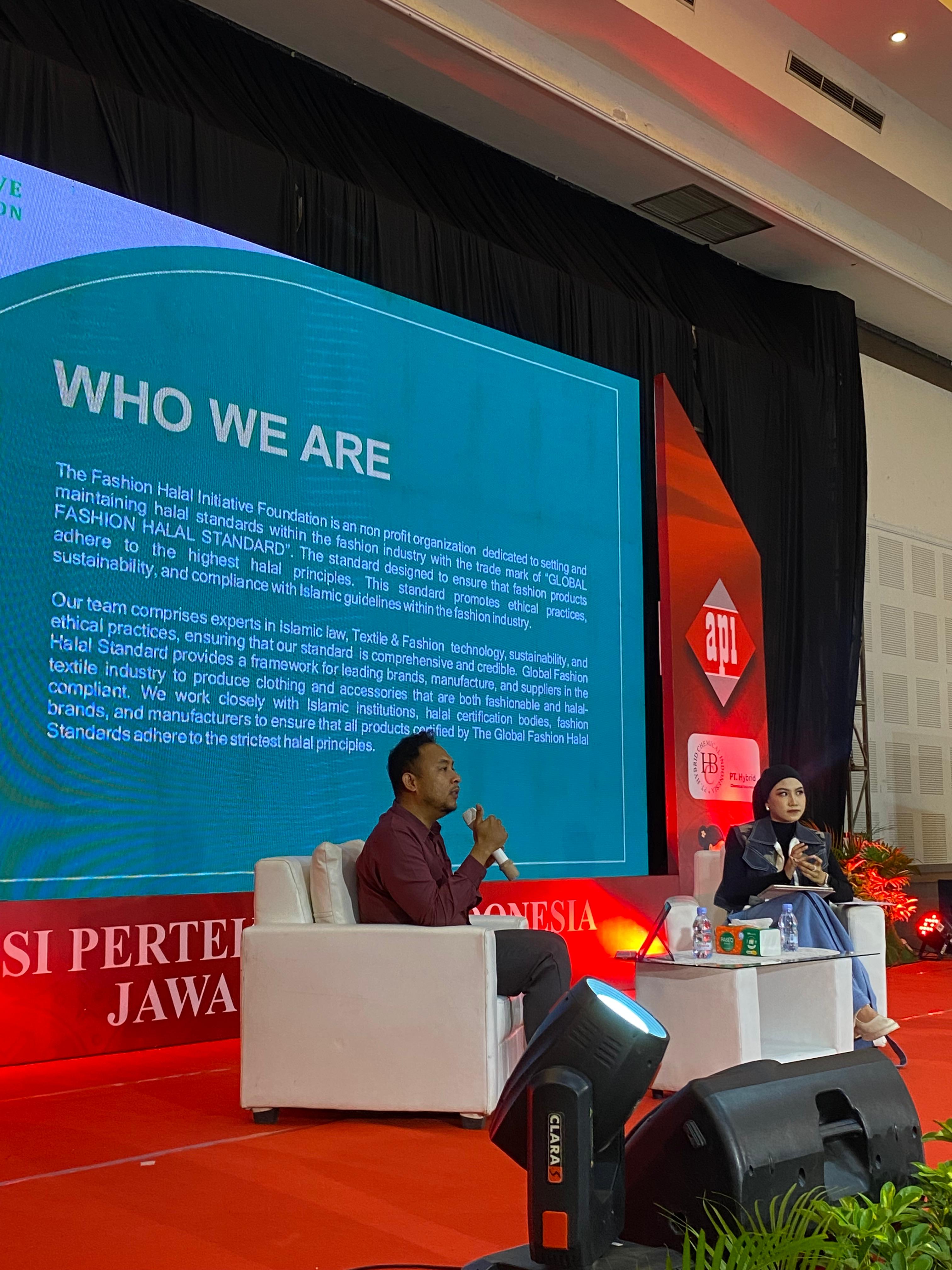
Global Fashion Halal Standard (GFHS) berpartisipasi sebagai salah satu narasumber dalam Pekalongan Textile UMKM Fest 2026, sebuah kegiatan yang mengangkat tema “Connecting Local Textile to National Market”. Acara yang berlangsung pada 22–23 September 2026 di Djuniaid Convention Centre, Pekalongan, ini menjadi wadah bagi pelaku UMKM tekstil, industri, dan berbagai pemangku kepentingan untuk memperkuat kolaborasi serta memperluas akses pasar bagi produk tekstil lokal.
Keterlibatan GFHS dalam kegiatan ini merupakan bagian dari upaya mendorong pengembangan ekosistem halal di sektor tekstil dan fesyen Indonesia, khususnya melalui edukasi, standardisasi, dan peningkatan kesiapan pelaku usaha dalam memenuhi kebutuhan pasar yang terus berkembang.
Memperkuat Daya Saing Tekstil Lokal
Pekalongan dikenal sebagai salah satu pusat industri tekstil dan batik Indonesia yang memiliki potensi besar dalam pengembangan UMKM. Agar mampu bersaing di pasar nasional maupun internasional, pelaku usaha tidak hanya perlu meningkatkan kualitas produk dan inovasi desain, tetapi juga memperhatikan aspek standardisasi, transparansi bahan, konsistensi proses produksi, serta pemenuhan persyaratan yang relevan dengan target pasar.
Dalam konteks tersebut, penguatan aspek halal dapat menjadi salah satu bagian dari strategi pengembangan usaha bagi pelaku industri yang produknya termasuk dalam cakupan kewajiban sertifikasi halal. Pemahaman terhadap asal bahan, dokumentasi pendukung, dan pengendalian proses produksi menjadi elemen penting dalam membangun kepercayaan konsumen serta memperkuat kesiapan perusahaan menghadapi tuntutan pasar.
Mendorong Kesiapan Halal dan Ketertelusuran Rantai Pasok
Sebagai salah satu narasumber, GFHS membawa perspektif mengenai pentingnya pengembangan ekosistem halal yang tidak hanya berfokus pada produk akhir, tetapi juga memperhatikan bahan baku, bahan kimia, proses produksi, dan rantai pasok.
Bagi industri tekstil, pendekatan tersebut relevan karena proses produksi dapat melibatkan beragam jenis bahan dan bahan kimia, mulai dari tahap pengolahan serat dan benang hingga pencelupan, pencetakan, dan penyempurnaan kain. Pemahaman mengenai asal bahan, kelengkapan dokumen, serta mekanisme ketertelusuran dapat membantu perusahaan mengidentifikasi aspek yang perlu diperhatikan dalam mempersiapkan pemenuhan persyaratan halal.
Bagi UMKM, edukasi mengenai aspek-aspek tersebut menjadi langkah awal yang penting. Persiapan yang terarah dapat membantu pelaku usaha memahami kebutuhan dokumentasi, meningkatkan kesadaran terhadap pengendalian bahan, dan membangun proses bisnis yang lebih tertata sesuai dengan karakteristik usaha masing-masing.
Kolaborasi untuk Membuka Akses Pasar yang Lebih Luas
Tema “Connecting Local Textile to National Market” menegaskan pentingnya menghubungkan potensi produk tekstil lokal dengan peluang pasar yang lebih luas. Upaya ini membutuhkan kolaborasi antara UMKM, industri, pemerintah, asosiasi, lembaga pendidikan, serta organisasi yang mendukung pengembangan standar dan kualitas produk.
GFHS memandang edukasi dan pendampingan sebagai bagian dari upaya membantu industri memahami persyaratan yang relevan sekaligus mengembangkan kesiapan dalam membangun rantai pasok yang lebih transparan dan tertelusur.
Penguatan standardisasi dan kesiapan halal diharapkan dapat berjalan beriringan dengan peningkatan kualitas, inovasi, dan produktivitas UMKM. Dengan demikian, produk tekstil lokal memiliki peluang lebih besar untuk meningkatkan kepercayaan pasar dan memperkuat daya saingnya.
Komitmen GFHS dalam Pengembangan Ekosistem Halal Tekstil
Partisipasi GFHS dalam Pekalongan Textile UMKM Fest 2026 menegaskan komitmen organisasi untuk berkontribusi dalam pengembangan industri tekstil dan fesyen melalui standardisasi, edukasi, asesmen, pengembangan industri, serta pendampingan sertifikasi halal.
GFHS percaya bahwa pengembangan ekosistem halal memerlukan pendekatan kolaboratif yang melibatkan seluruh mata rantai industri. Melalui peningkatan pemahaman dan kesiapan pelaku usaha, industri tekstil Indonesia diharapkan dapat mengembangkan produk yang kompetitif, meningkatkan transparansi rantai pasok, serta merespons kebutuhan pasar secara lebih baik.
Ke depan, GFHS akan terus mendorong sinergi dengan pelaku industri dan pemangku kepentingan untuk memperkuat fondasi industri tekstil halal Indonesia, sekaligus mendukung pertumbuhan UMKM agar semakin siap memasuki pasar nasional dan berkembang menuju peluang pasar global.
Tentang GFHS
Global Fashion Halal Standard (GFHS) merupakan organisasi yang berfokus pada pengembangan ekosistem halal di sektor tekstil dan fesyen melalui standardisasi, edukasi, asesmen, pengembangan industri, dan pendampingan sertifikasi halal. GFHS berupaya mendukung pengembangan rantai pasok tekstil yang lebih transparan dan tertelusur serta meningkatkan pemahaman industri terhadap penerapan prinsip halal.
Global Fashion Halal Standard (GFHS) participated as one of the speakers in the Pekalongan Textile UMKM Fest 2026, an activity with the theme "Connecting Local Textile to the National Market". This event, which will take place on 22–23 September 2026 at the Djuniaid Convention Center, Pekalongan, is a forum for textile MSMEs, industry and various stakeholders to strengthen collaboration and expand market access for local textile products.
GFHS's involvement in this activity is part of efforts to encourage the development of a halal ecosystem in the Indonesian textile and fashion sector, especially through education, standardization and increasing the readiness of business actors to meet the needs of the continuously growing market.
Strengthening Local Textile Competitiveness
Pekalongan is known as one of the centers of the Indonesian textile and batik industry which has great potential in developing MSMEs. In order to be able to compete in national and international markets, business actors not only need to improve product quality and design innovation, but also pay attention to aspects of standardization, transparency of materials, consistency of production processes, and fulfillment of requirements relevant to the target market.
In this context, strengthening halal aspects can be part of the business development strategy for industrial players whose products fall within the scope of halal certification obligations. Understanding the origin of materials, supporting documentation and control of the production process are important elements in building consumer trust and strengthening the company's readiness to face market demands.
Encouraging Halal Readiness and Supply Chain Traceability
As one of the speakers, GFHS brought a perspective on the importance of developing a halal ecosystem that does not only focus on the final product, but also pays attention to raw materials, chemicals, production processes and supply chains.
For the textile industry, this approach is relevant because the production process can involve various types of materials and chemicals, from the fiber and yarn processing stage to dyeing, printing and fabric finishing. Understanding the origin of materials, completeness of documents, and traceability mechanisms can help companies identify aspects that need to be considered in preparing to fulfill halal requirements.
For MSMEs, education regarding these aspects is an important first step. Targeted preparation can help business actors understand documentation needs, increase awareness of materials control, and build more organized business processes according to the characteristics of each business.
Collaboration to Open Wider Market Access
The theme "Connecting Local Textile to National Market" emphasizes the importance of connecting the potential of local textile products with wider market opportunities. This effort requires collaboration between MSMEs, industry, government, associations, educational institutions, and organizations that support the development of product standards and quality.
GFHS views education and assistance as part of efforts to help industry understand relevant requirements while developing readiness to build a more transparent and traceable supply chain.
It is hoped that strengthening standardization and halal readiness can go hand in hand with improving the quality, innovation and productivity of MSMEs. Thus, local textile products have a greater opportunity to increase market confidence and strengthen their competitiveness.
GFHS Commitment in Developing a Halal Textile Ecosystem
GFHS' participation in the Pekalongan Textile UMKM Fest 2026 confirms the organization's commitment to contributing to the development of the textile and fashion industry through standardization, education, assessment, industrial development, and assistance with halal certification.
GFHS believes that developing a halal ecosystem requires a collaborative approach involving the entire industry chain. By increasing understanding and readiness of business actors, the Indonesian textile industry is expected to be able to develop competitive products, increase supply chain transparency, and respond better to market needs.
In the future, GFHS will continue to encourage synergy with industry players and stakeholders to strengthen the foundations of the Indonesian halal textile industry, as well as support the growth of MSMEs so that they are more ready to enter the national market and develop towards global market opportunities.
About GFHS
Global Fashion Halal Standard (GFHS) is an organization that focuses on developing a halal ecosystem in the textile and fashion sector through standardization, education, assessment, industrial development and assistance with halal certification. GFHS seeks to support the development of a more transparent and traceable textile supply chain and increase industry understanding of the application of halal principles.